India, a land of vibrant culture, history, and diversity, is a dream destination for many. It is fascinating, exasperating, disorganized, chaotic and unpredictable. Unfortunately, it has its share of scams that can catch unsuspecting tourists off guard. White tourists are treated as walking cash machines / two-legged ATM’s and are targeted by scammers and beggars in India relentlessly. Even small kids will run after you and scream “money, money, money!”. Being aware of the most common scams can save you from hurt pride, unnecessary stress and financial loss. I am going to write only about the scams I have noticed or experienced in person. I know that the list of scams in India is much longer than the one I am presenting here. However, I want to include only the scams I have seen or experienced first hand. Here’s a guide to some of the most common scams in India and tips to steer clear of them.
- The boat scam
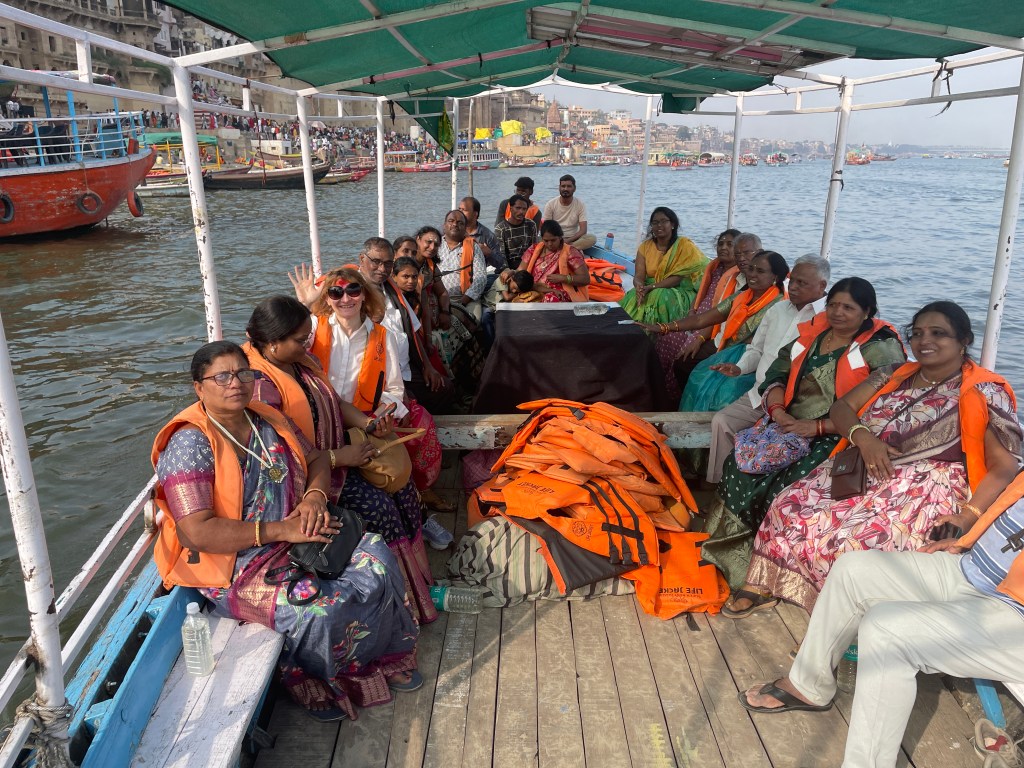
If you want to embark on a boat tour along holy Ganga river beware of scammers. They swarm the river banks and target naïve tourists. You might be approached by a man who will point at the boat and say: “Boat cruise, madam”? If you are interested, and had planned to take a boat tour on that day you might happily agree to board the boat. The scammer will even hold your hand and guide you safely to the wobbly boat. They will charge you 200 rupees. You will sit down and wait for the boat to depart. Then, there will be more passengers coming on board and when the boat fills up and is ready to depart, “a real” man, who works on the boat will start collecting the money. You will be shocked! How come?? I had already paid another boat man! Hey, silly! He was not a real boat man!
How to avoid boat scams?
Pay for the boat only when you are on board and figure out who is actually involved in the boat business. India is very chaotic and confusing. Ask other passengers whether they had already paid, and most importantly who. Never pay anyone in advance. If you pay someone in advance, you will lose your money to the scammer and will be “charged” twice. Unfortunately, the holy city of Varanasi is abundant with scammers. They swarm the banks of the Ganga river like ants. They take advantage of unsuspecting foreigners. That’s how they make their living. I think many of them turned scamming into a profession because they are so good at it.

2. Tuk-tuk / rikshaw / taxi scam
As mentioned previously, if you are a foreigner with white skin you will be seen as cash cow. Tuk-tuk and rikshaw drivers will inflate their fees. They will always attempt to overcharge you. They will not only double the fees but triple or even quadruple them. They might claim their meter is broken, take longer routes, or demand exorbitant fares.
How to avoid tuk-tuk / rikshaw scams?
Use ride-hailing apps like Ola, Rapido or Uber for transparent pricing. If using a local taxi or rikshaw, insist on using the meter or agree on a fare beforehand. Familiarize yourself with approximate fares for your route. This is why having Uber, Ola or Rapido apps comes very handy. If you get approached by a dozen of tuk-tuk drivers at the train station or a touristy spot, check the approximate fare using one of the apps. You will have a good fare estimate and comparison.
Always agree on a fare beforehand. If you agree beforehand you can negotiate and haggle. If the driver tries to overcharge, tell him you have booked Uber or Ola. You will see how quickly he drops his fare. I forgot to agree on a fare beforehand only once and it was a mistake. I was tired and overwhelmed with the noise and crowds. I took a random tuk-tuk off the street. The ride between the spot I was picked up and my hotel was relatively short. I looked up approximate fare for the same ride on Uber and I knew it would cost me about 75 rupees. When the young driver dropped me off next to my hotel and demanded 500 rupees I laughed! I gave him 150 and went to my hotel. He was shouting for more money but I ignored him.

3. Tour guide scams
Oh crickey, these are abundant, especially outside touristy places such as palaces or monuments like Taj Mahal. Dozen of them will flock to you and offer their services. They pose as official guides and charge high fees, for example 1000 rupees per short tour. Some of them might have ID cards with them, but are they legitimate? I doubt it. I actually hired one “guide” when I visited Taj Mahal. I haggled with him and paid him 500 rupees, instead of 1000. His English was very basic and he knew little about history of Taj Mahal and would ignore most of my questions. The only reason why I hired him was because I needed a photographer and not so much a guide.

How to avoid tour guide scams?
If you want to hire a knowledgeable and genuine guide find them through reputable agencies or your hotel. Check their reviews. Check for official identification (ensure it is not fake).
Never disclose your travel plans to tuk-tuk drivers. If they pick you up and drop you off to your hotel and ask you how long you are staying in the city, do not tell them the truth. Tell them you are leaving next day or that you don’t know yet. I made the mistake of telling my driver in Agra that I was staying for three days and he would not leave me alone! He wanted to drive me to all tourist spots all day and be my guide. He would show me his tattered diary with notes and feedback written for him by other tourists. I asked him to give me his number so I could book him at the most convenient time and he said with a tearful voice that he was too poor to own a mobile! I was sorry for him. At the same time he was more and more pushy. He wanted me to drop my bags off and start the tour with him ASAP so he could earn some money. I told him a needed rest and left. When I looked back at him, I was astonished! He held a smartphone in his hands! He was good at guilt tripping, wasn’t he?
4. I don’t have change scam
You will hear this one a lot. After two weeks in India I was wondering why I had never seen any coins. Tuk-tuk drivers will say they don’t have any change. The man who sold me Taj Mahal Nature walk ticket said he did not have any change. The list is endless.
How to avoid “no change” scam?
Be firm and request your change. Stand your ground. If the tuk-tuk driver says he does not have change, do not believe him. Tell him in an assertive tone of voice that you will not leave if he does not give you change. You will be surprised to see his wallet stuffed with rupees! Same with other situations. The man who sold me Taj Mahal Nature Walk ticked (the ticket was 150 rupees, and I gave him 500 rupees) said he did not have change. He wanted me to pay him 500 rupees and said he would give me change when I will be returning from my walk. I said: “no, I will pay you 50 rupees now, and 100 rupees on my way back!”. Guess, what? He took out a metal safe overflowing with cash!
Best solution or preventative measure for this type of scam is ensuring you have change on you. Buy some fruit and vegetables at the market, or some street food and make sure you have spare change.
5. Not giving you enough change scam
This is one is very similar to the previous one. Whenever you buy something, a ticket or some products, make sure you check you have been given the right amount of change. I had several situations when I bought a ticket, and was supposed to get 700 rupees change and I was given only 200. I was actually scammed by the ticket seller at Taj Mahal! You would expect to be treated with some honesty by official ticket sellers (it was a ticket counter outside Taj Mahal). Be mindful and pay attention to the bank notes you are given. It is easy to become forgetful or overwhelmed because India is extremely crowded, noisy and hectic. But you still have to have your wits about you. Be alert, vigilant and observant. Always stay cool and composed.
6. Selective memory or temporary amnesia scam
Indian people tend to be selectively forgetful when it comes to money matters but always in a way that benefits only them. When I was in Varanasi I stayed in a hostel. I liked to order food through the reception as they served delicious Maharaja Thali. I did not pay for the meal to the delivery boy because I did not have change and did not want to pay him large sum of money because he would not give me change. So I told him, I would pay the reception next day. I paid the reception next day as promised. When I was checking out two days later, the man from reception added extra bill for Maharaja Thali! I said that I paid him already, did he forget? Yes, he did! I told him that I remembered very clearly paying him 300 rupees on the evening at Wednesday. He backed off.
How to avoid being charged twice scam (due to temporary amnesia of staff)?
Write everything down. Write down time and date when you paid for something. Ask for a handwritten receipt or confirmation. Take the picture of giving money to the staff etc. Aid your memory if someone else’s memory keeps failing at your disadvantage.

7. Assistance scam
When you are a tourist you will be targeted by assistance scammers. They will offer you help to carry your luggage or find your coach or seat on the train. Don’t be fooled and expect they are doing this for free and out of good will. They will ask you exorbitant price once they do you a favour – a favour you did not even ask for in the first place.
Ways to avoid this scam
Politely refuse or disengage. If someone offers you help just say: “no, thank you”. If you accept help from a random stranger, be prepared to be chased by them! They will shout: “Money, money, more money”. Very disconcerting.
8. Pujas, bindis, flowers
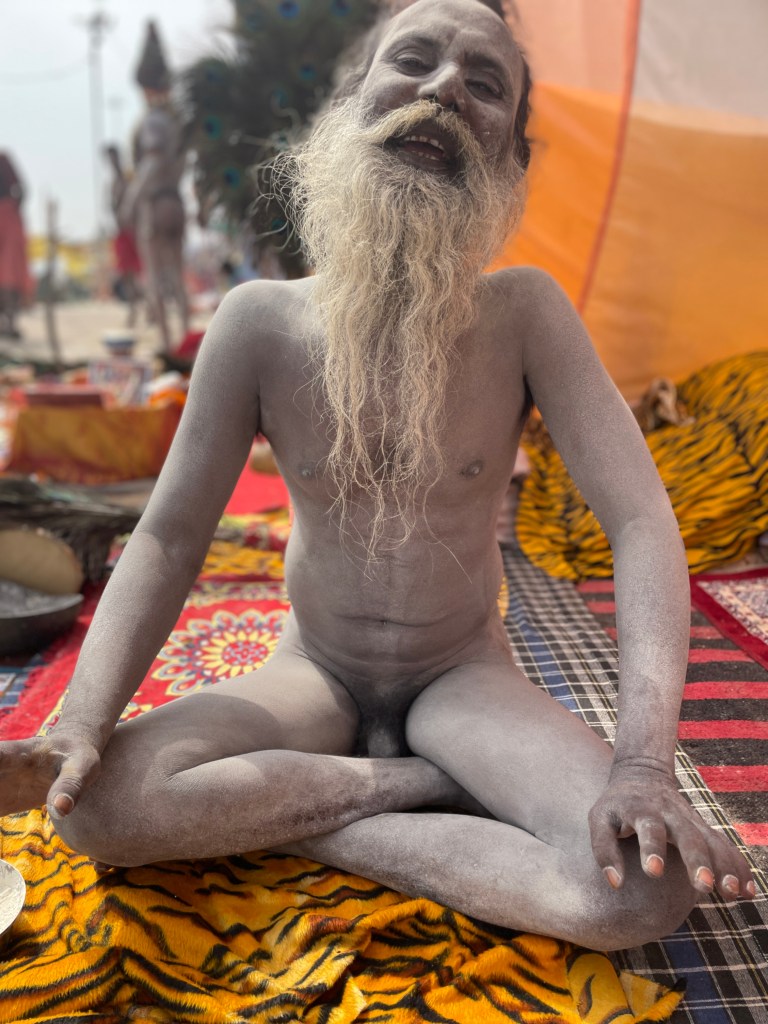
Pujas, bindis, flower baskets. I have put all of these in one category. When you go to Varanasi or any other holy place you will be approached by people offering you blessings (pujas), selling tiny flower baskets or trying to put bindis on your forehead. These seem innocent and innocuous but the problem is that you are a tourist and as I mentioned a couple of times before, you will be treated as a walking cash machine. I agreed to have bindi anointed on my forehead by a man but when I paid him 20 rupees he wanted more. Same with the puja. I was given puja by one of the sadhus sitting on the ghat by Ganga river. I paid him 100 rupees but he kept asking for: “dollar, dollar”! Damn, I do not have any dollars. I am not American!
How to avoid this scam?
Disengage and don’t accept any pujas, flowers or bindis. Use hand gestures and say firm: NO!
 Autsie Explorer