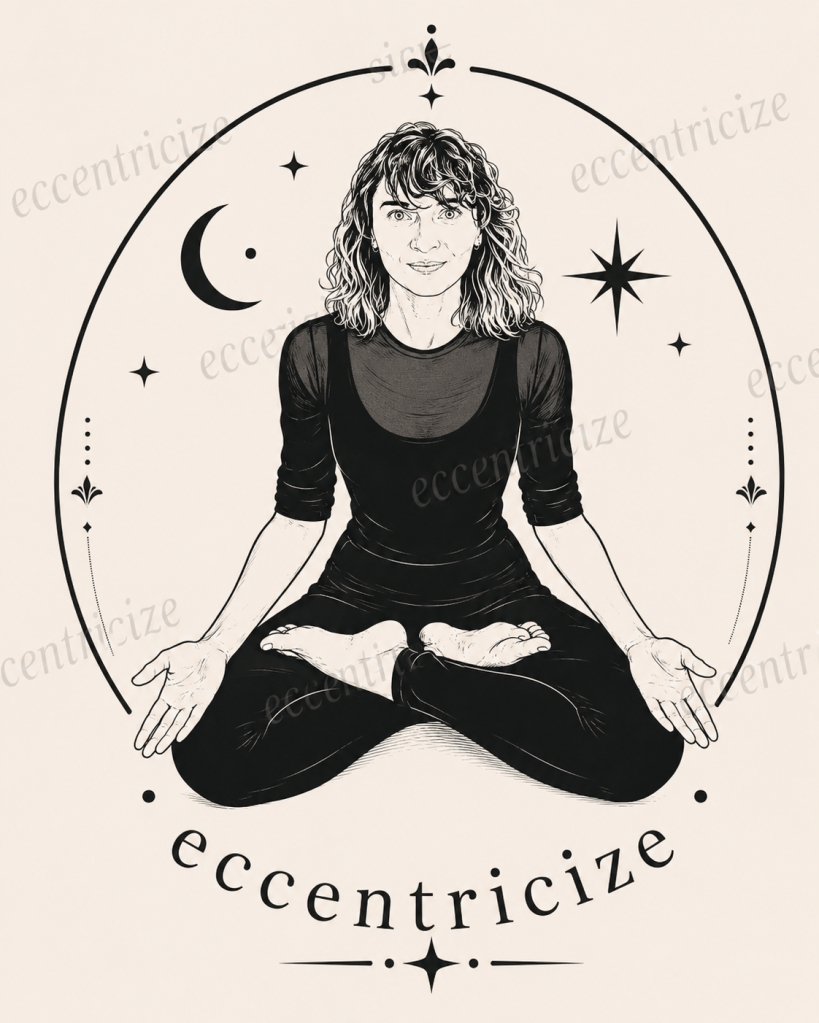
My First Yoga Class
I first came into contact with yoga approximately six years ago, when I was working as a tutor in one of the specialist secure units in the UK. During Enrichment Week, when we did not have to deliver standard education, we invited Natalie, a yoga teacher, to deliver a session for the young people.
Only a handful of students joined Natalie’s class. The majority preferred to stay on the ward. The yoga session took place in the music room, because it was spacious and cosy at the same time. Some teaching and nursing staff joined the class too. Two or three young people who came in decided to leave after five or ten minutes, so we took them back to the ward and resumed the session with Natalie.
I will never forget that first yoga class.
It was so gentle, soothing and relaxing. Natalie was in her mid or late forties, but she had a beautifully sculpted body and a very impressive, perky bum. I think we were all slightly mesmerised by her shapely yoga teacher bum. The music she played was tranquil and comforting, and her voice was gentle, soft and lulling.
But the moment I remember most clearly was resting in child’s pose. I felt so safe and peaceful, curled into my own body as if wrapped in a soft marshmallow. Something about that posture felt deeply protective and transcendetal. It was not just stretching. It was not just exercise. It felt like returning to myself.
That class altered my biochemistry. For the rest of the day, I felt unusually calm, grounded and soothed. When I got back home, I thought: I need to do these postures more often.
The Booklet That Appeared at the Right Time
Strangely enough, shortly afterwards, when I went shopping in my local supermarket, I found a little yoga booklet with illustrations of sun salutations and descriptions of asanas. It felt like a sign. I bought the booklet and started copying the illustrated poses at home.
Initially, I practised for only ten or fifteen minutes a day. But with time, my body started to learn. I deepened the poses, held them for longer and began to meditate inside them. Eventually I incorporated more challenging postures such as crow pose and wheel.
I usually practised early in the morning before leaving for work. I will never forget those first yoga mornings. Sometimes I got up as early as 5:00 a.m. Everything was quiet. Time seemed to slow down. I would open the window and listen to the birds chirping and the seagulls screaming. The world felt softer then, less overwhelming, less demanding.
Something shifted in me.
Each yoga session brought me peace, relaxation and a sense of healing. Yoga allowed me to go deeper within myself and experience a strange, beautiful unity with the world. My sessions gradually became longer, eventually lasting up to an hour. I incorporated planks, side planks, wheel, splits and long holds into my sequences.
After about two years of regular practice, I noticed the first traces of obliques in the mirror. I was pleased and proud. It was a very positive and unexpected side effect of yoga. I had started because I wanted peace, but apparently peace also came with a slightly more sculpted waist. A very acceptable physical bonus.
When My Body Started Craving Yoga
Because my body became used to the “feel-good” sensation after yoga, I could really feel the difference on the days when I missed it. My body felt tight, tense, unstretched and spiritually undernourished. I felt as if my muscles, joints, legs, arms, core and nervous system were all quietly complaining.
My manager knew about my commitment to yoga and eventually sent me on a 50-hour yoga course. The course was blended: partly online and partly face-to-face. She wanted me to deliver yoga sessions to our students, and I agreed. I was delighted.
During the course, I had a chance to describe my predicament to one of the yoga teachers. I told her that whenever I missed yoga, my body seemed to crave it. She said: “It is lack of prana. Your body needs yoga to replenish prana.”
I found that fascinating.
So, on the days when I did not practise, I was underpranized. My prana tank was empty. My body felt like a stale kornishon: pickled, stiff, knotted, spiritually neglected, and not at its highest vibrational potential.
Yoga as Part of My Healing Journey
My regular yoga practice coincided with my healing journey. It was the time when I became serious about healing from childhood trauma. I read many psychological books, did written exercises, went to therapy, reflected deeply and gradually became stronger, healthier and more confident.
Looking back, I believe that yoga and meditation were crucial foundations in my self-healing process. Yoga was not just a physical activity. It was a nervous-system medicine. It helped me soften the armour I had built around myself. It taught me that stillness was beautiful and transformative, and that my body was not just something to discipline or criticise, but something I could inhabit with tenderness, awe and awareness. In a way, yoga became my private sanctuary. It was my spiritual, emotional and physical treatment. After each yoga session I felt as if my body had been massaged or received spa treatment.
From Daily Prana Emergency to Weekly Prana Maintenance
After four years of almost daily yoga practice, I noticed that I no longer needed to do it so often. The change became especially clear last year, when I left my job and embarked on eight months of travel across South East Asia.
I had quit the stressful working environment. I felt healthier and stronger. My nervous system was no longer being drained every day. It felt as if my prana resources started lasting longer in the tank.
Previously, I had needed to replenish my prana almost daily. Now I usually need yoga once or twice a week. Perhaps I have become more resilient. Perhaps I have healed parts of my inner child. Perhaps my body no longer needs emergency treatment every day because it is no longer living in the same level of chronic stress.
Five years ago, yoga was my hospital. Now it is more like a temple.
It is still sacred to me, but I no longer need it as daily rescue. I can return to it as a ritual, a reset and a deep reconnection.
Running, Walking and Outlanga
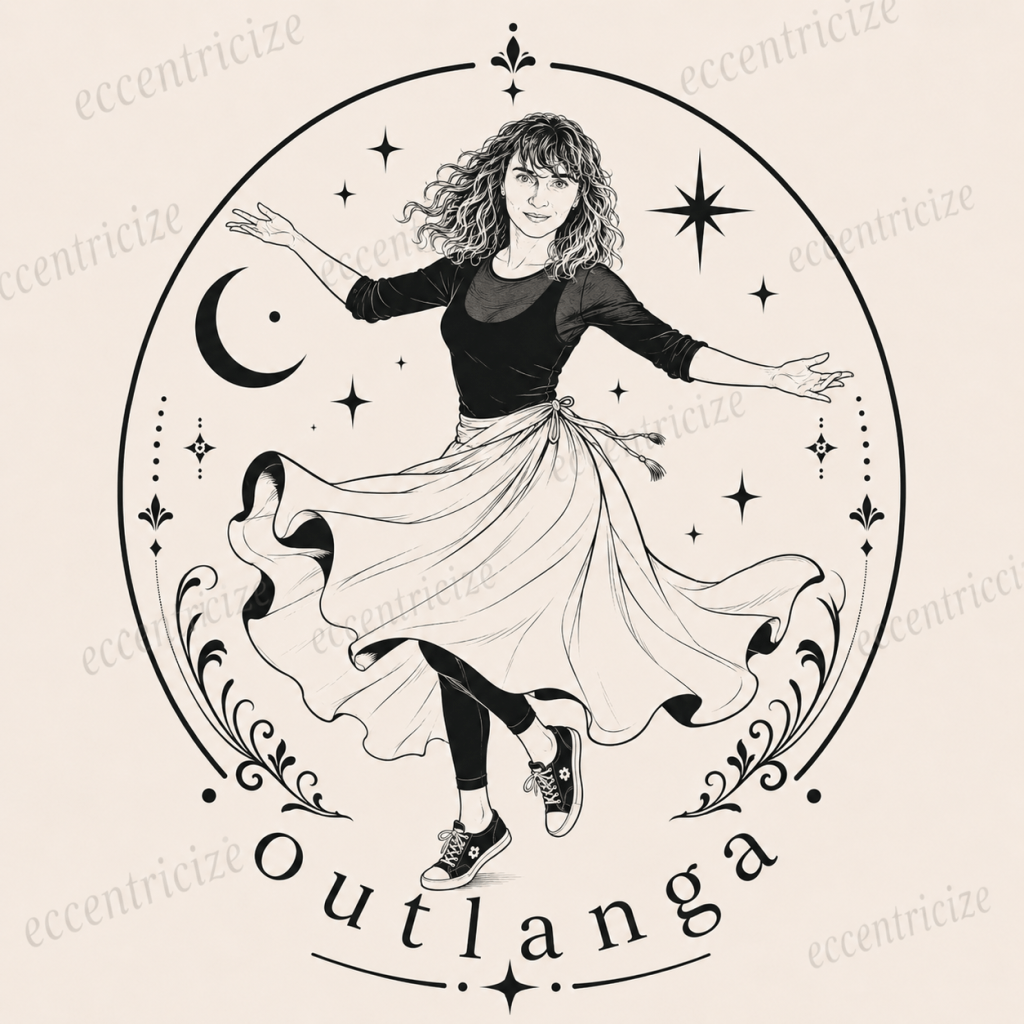
For the past year, I have been working from home, which has reduced my stress levels. I have also taken up running and now run approximately 20–35 km a week. I am a keen walker too, and I move my body daily. Recently, I have also been practising a lot of Outlanga.
What is Outlanga?
Outlanga is my own movement practice. It is made of jumping, dancing, yoga, tai chi, belly dance, instinctive rhythm, repetition and self-expression. It helps me connect with my femininity, release emotional tension and self-regulate. I love Outlanging because it feels like movement that comes from my own inner world rather than from an external system.
Yoga taught me to listen to my body. Running taught me stamina and self-discipline. Outlanga is teaching me freedom and self-expression. It is less formal than yoga and less repetitive than running. It allows me to become expressive, strange, feminine, playful, powerful and fully myself. It is my own movement language, and I am planning to share it with the world.
My Prana Tank Today
Today, my movement life is richer than it used to be. Years ago, my body relied mostly on yoga to feel whole. Now my prana tank is replenished by many sources: yoga, walking, running, Outlanga, writing, music, solitude, creativity and self-expression.
I still love yoga deeply. I still return to it when I need to feel stretched, soothed and spiritually reorganised. But I no longer feel like a stale kornishon after one missed session.
That, to me, is progress.
Perhaps healing does not mean we stop needing nourishment. Perhaps healing means that nourishment lasts longer inside us. The body stops leaking energy through old wounds. The nervous system becomes less desperate. The inner child feels safer. The prana tank becomes stronger.
And somewhere along the way, through child’s pose, planks, side planks, wheel, crow, running paths, morning birds, seagulls, travel, therapy and Outlanga, I became more alive inside my own body.
Not perfectly healed. Not permanently calm. But more pranatized.
And definitely less kornishon.

 Eccentricize Blog posts
Leave a comment